A steam iron is faster for shirts, collars and small touch-ups; a steam press is faster for whole garments, bedding and bulk laundry — but the right choice depends on how much you iron per week, your laundry room space, and whether you need professional-looking results on dress shirts. A quality mid-range iron runs 1600W+ and stores in a drawer; a steam press needs a dedicated spot on a sturdy table.
If you iron weekly, the choice between a traditional steam iron and a steam press changes how much time your laundry takes — and how good the results look.
What is the difference between a steam iron and a steam press?
A steam iron is faster for small jobs: a collar, a shirt sleeve, touch-ups on a table. Modern irons add safety features like self-lifting soleplates that raise the plate automatically when you set the iron down, eliminating burnt shirts and iron burns. A steam press is a large flat plate that presses whole garments flat in one motion — shirts, trousers and table linens come out looking professionally pressed. It is the better tool for bulk laundry.
Which is better for dress shirts?
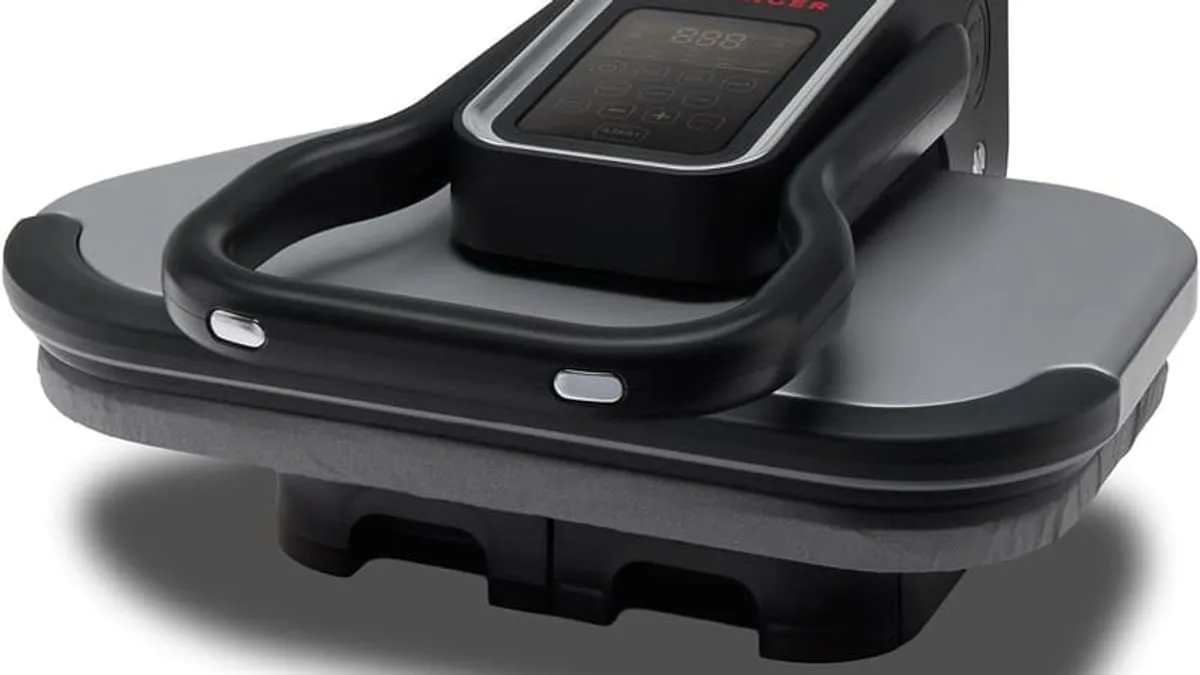
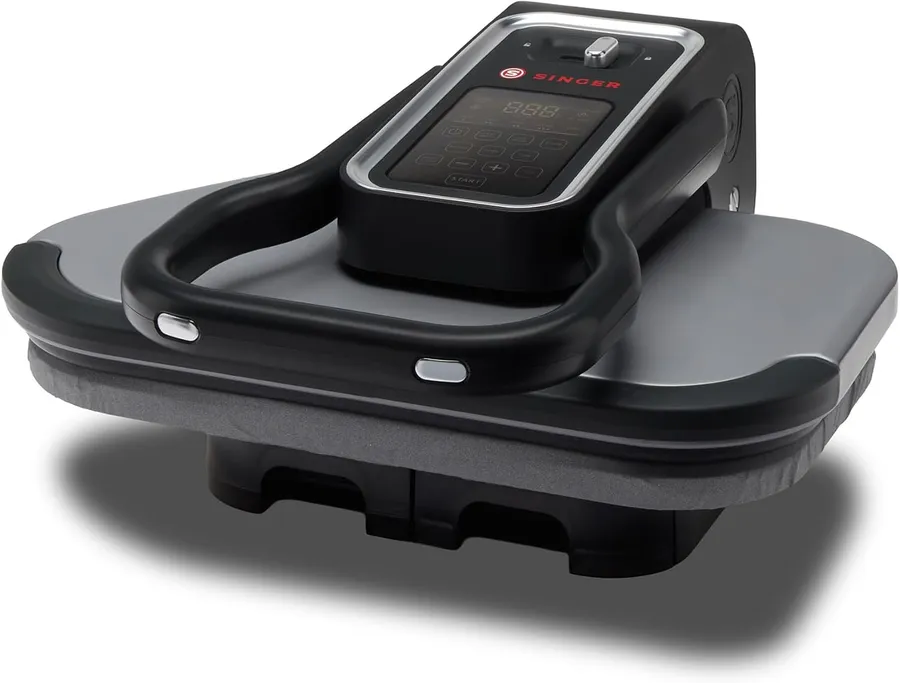
A steam press flattens a dress shirt in 30 to 60 seconds, vs 4 to 6 minutes with a hand iron. The SINGER Intelligent 2.0 steam press sets the standard: guided digital controls walk you through settings, two heat modes cover delicate and tough fabrics, auto shutoff prevents accidents, and a 1000ml tank handles a full laundry day without refills.
How much space does each tool need?
Space is the deciding factor. A press takes a dedicated spot (and a sturdy table). An iron lives in a drawer. If your laundry room is tight, start with a quality iron with burn prevention. The Eurosteam Step Up is a self-lifting iron that fits in a closet and handles most weekly loads.
How much power does each tool need?
Power matters: 1600W+ heats plates and soleplates quickly. Anything lower spends its time warming up instead of pressing. A 1600W iron is a 60-second preheat; a 1400W iron is closer to 90 seconds. Steam presses benefit from the same wattage — under 1500W, a press spends too much of its cycle reheating between garments.
Which tool wins for bedding and tablecloths?
One more consideration: the press wins for bedding and tablecloths; the iron wins for touch-ups between wears. Households that do both keep both. A practical compromise is a self-lifting iron for shirts and a mid-size steam press for everything else, which covers 90% of weekly laundry for under $400 total.
Quick buyer’s checklist
A short feature checklist:
- Wattage: 1600W+ for fast preheat, 1500W is the practical floor.
- Auto shutoff: mandatory on any iron or press — fire safety is not optional.
- Self-lifting soleplate (irons): eliminates burnt shirts and iron burns.
- Water tank size (presses): 800ml+ handles a full laundry day without refills.
- Digital controls (presses): guided presets are worth the small premium over analog dials.
- Fabric presets: at least 3 heat modes (delicate, cotton, linen).
As an Amazon Associate, I earn from qualifying purchases.
Frequently Asked Questions
For whole garments and bulk laundry, yes — a press flattens larger areas faster. For touch-ups and small items, a traditional iron is quicker.