The best noise-canceling headphones in 2026 are the Sony WH-1000XM5 for over-ear flagship ANC, the Sony WF-1000XM5 for true-wireless, and the Anker Soundcore Space Q45 for under $100 — but the right pick depends on whether you want over-ear, in-ear, or open-ear, and on whether you fly, commute, work in an office, or work out.
Active noise cancellation (ANC) used to be a flagship-only feature. In 2026, great ANC exists at nearly every price point — you just need to know what to look for.
What is active noise cancellation and how does it work?
Active noise cancellation (ANC) uses built-in microphones to sample ambient sound, then generates an inverse sound wave in real time to cancel it out — most effectively for low-frequency noise like airplane engines, HVAC hum, and bus or train rumble. The best over-ear ANC headphones can cut perceived background noise by 20 to 30 decibels in those bands, which is the difference between a quiet office and a noticeable drone.
What are the best over-ear noise-canceling headphones in 2026?
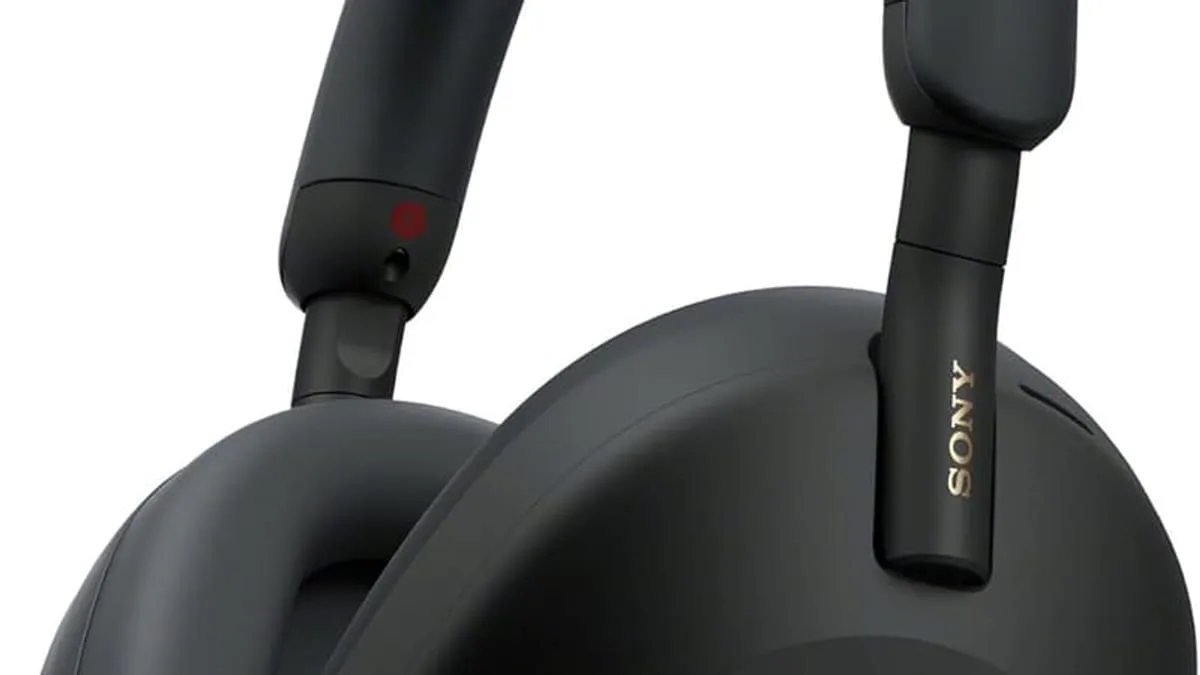
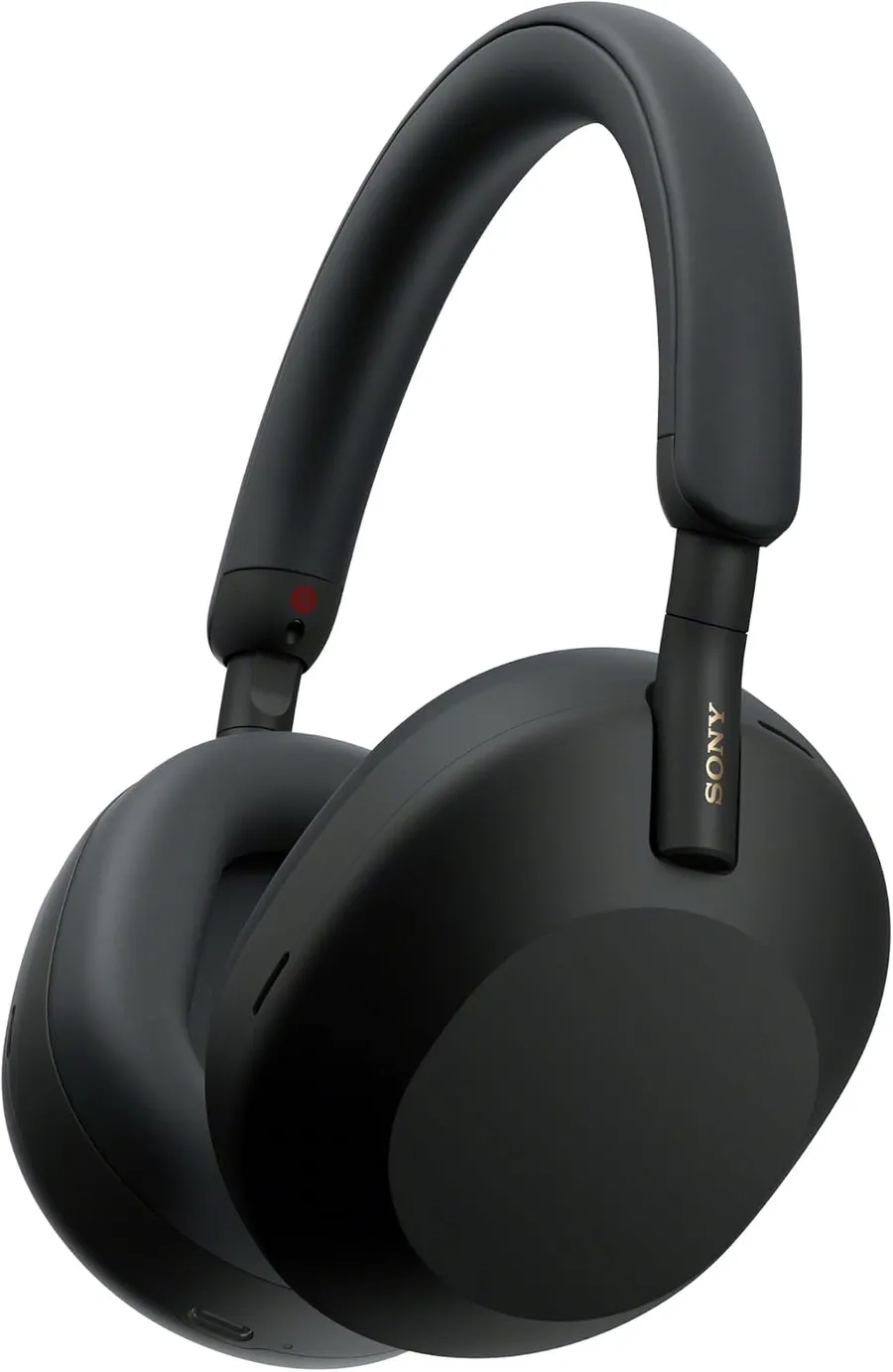
For the best absolute performance, the Sony WH-1000XM5 remain the benchmark. Their industry-leading noise cancellation adapts automatically with an auto NC optimizer, calls sound crystal-clear, and battery life stretches to 30 hours. Multipoint connection lets you pair two devices at once.
Which noise-canceling headphones are best under $100?
Under $100, the Anker Soundcore Space Q45 is the strongest value. Battery life is rated up to 50 hours with ANC on (compared to the 30 hours of the Sony WH-1000XM5), adaptive ANC tunes itself to your environment, and LDAC support delivers Hi-Res audio over Bluetooth on Android.
What are the best noise-canceling earbuds (in-ear) for travel?
For frequent flyers, the Sony WF-1000XM5 true-wireless earbuds offer the best portable ANC. They are noticeably smaller and lighter than the previous generation, with 8 hours of battery per charge (24 hours with the case) and the same Adaptive Sound Control as the over-ear model.
What about open-ear headphones — do they cancel noise?
Open-ear headphones do not seal the ear canal, so they cannot deliver true ANC the way over-ear or in-ear headphones can. They are a smarter choice if you prefer to stay aware of your surroundings — in the office, on a run, or cycling — because you hear music and the world around you. Look for sweat resistance (IPX5) and long playtime if you plan to train in them.
How to test noise-canceling headphones before you buy
When you try headphones, test them in a noisy environment, not a quiet store. Put them on, turn ANC on, and listen for the hiss some cheaper models produce when they reduce noise. A quick spec check that matters:
- Driver size: 30mm+ for over-ear, 6mm+ for earbuds — bigger usually means richer bass, but tuning matters more than raw size.
- ANC type: hybrid ANC (feed-forward + feed-back mics) outperforms single-mic designs on low frequencies.
- Codec support: LDAC or aptX HD for Hi-Res audio over Bluetooth (Android); AAC is the practical ceiling on iPhone.
- Battery life with ANC on: aim for 25+ hours over-ear, 7+ hours per charge for earbuds.
- Multipoint pairing: lets you stay connected to a laptop and a phone at the same time.
A short rule of thumb: spend the budget on ANC quality and comfort, save on cosmetic extras. The flagship set you forget you are wearing will outlast the prettier one that ends up in a drawer.
As an Amazon Associate, I earn from qualifying purchases.
Frequently Asked Questions
Yes, if you want the best noise cancellation and call quality available. They are also frequently discounted from the $399.99 list price.